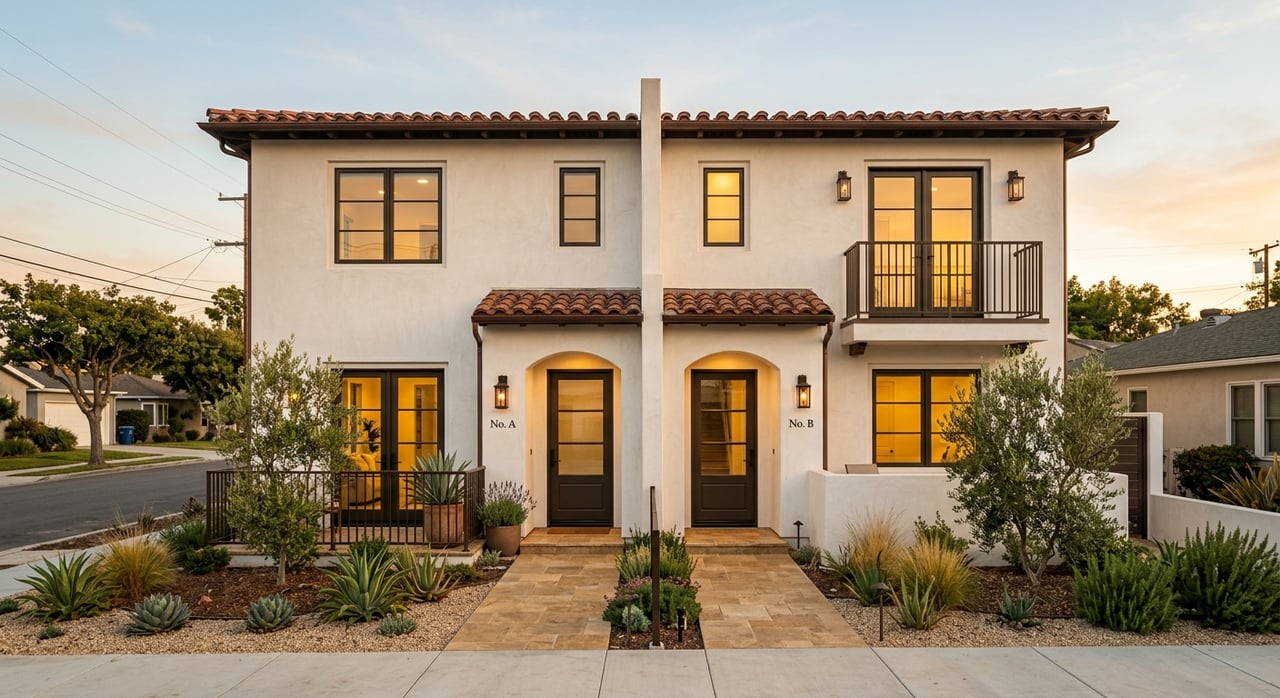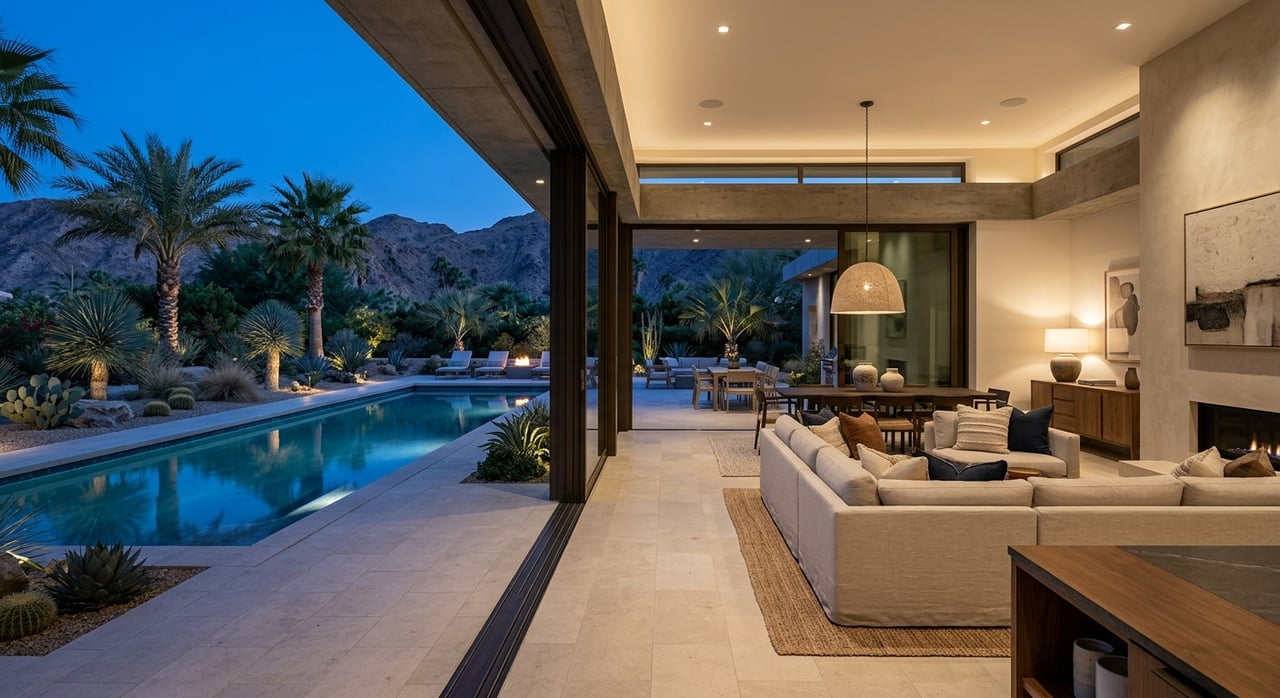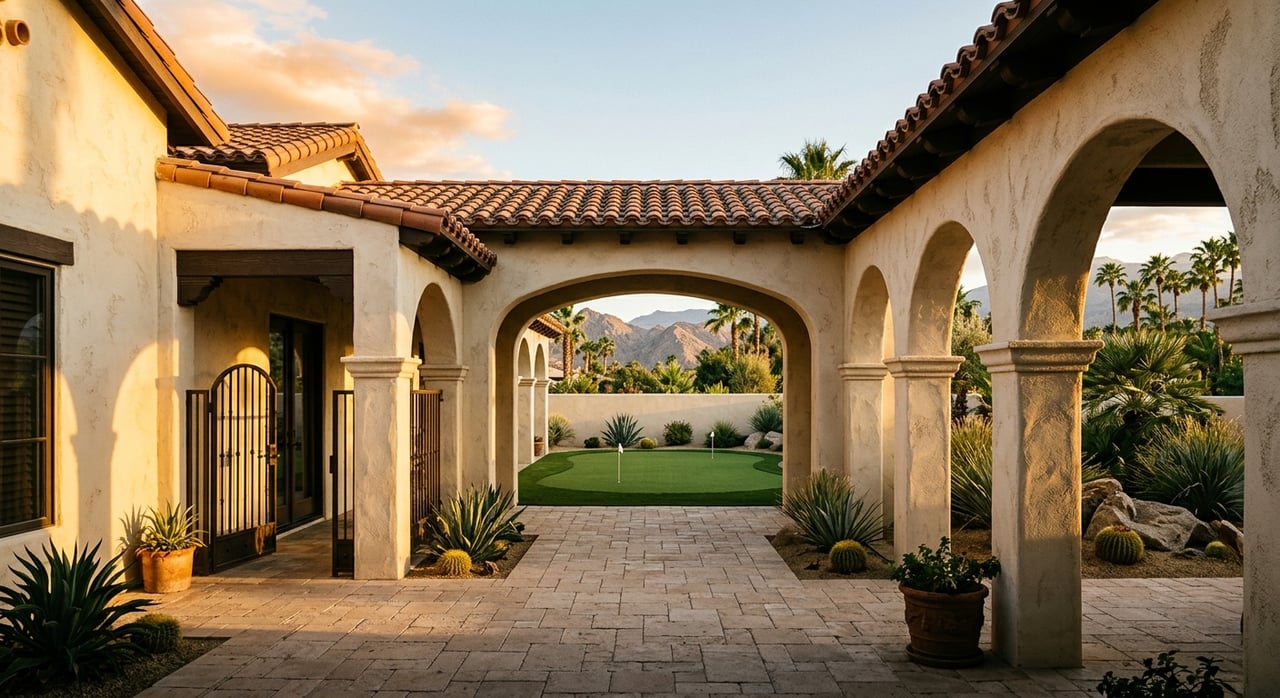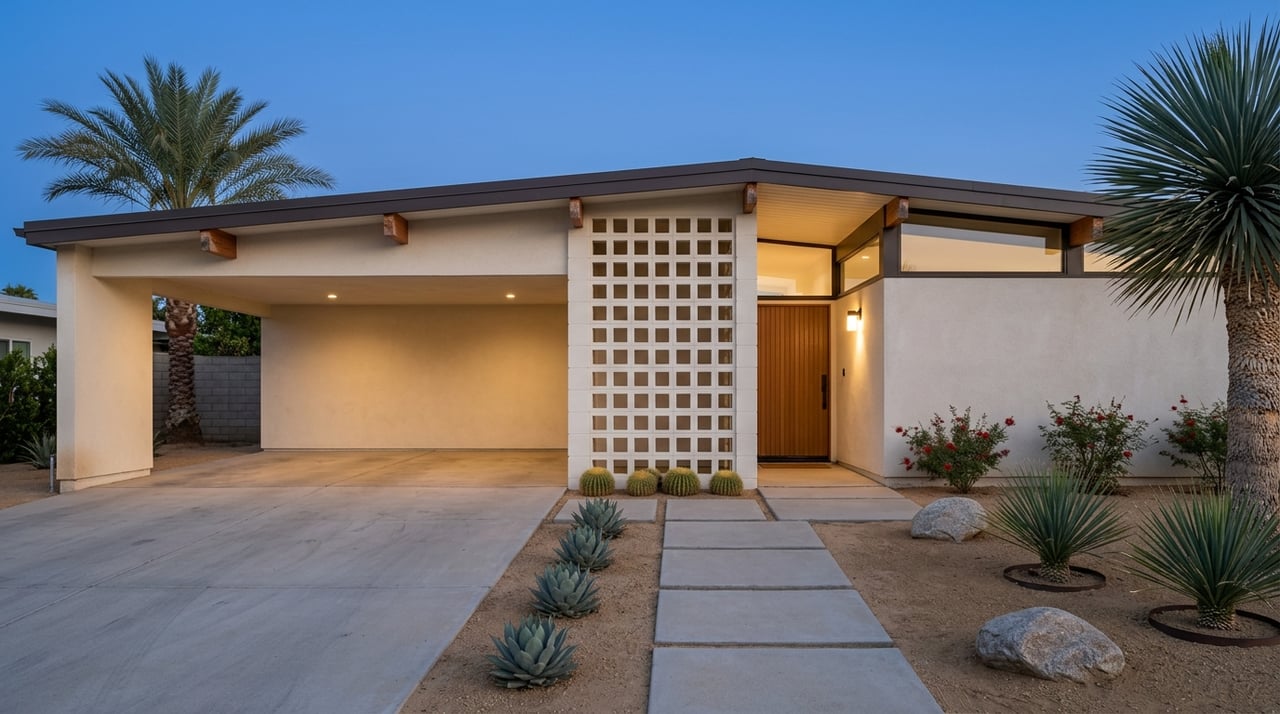
What makes one Palm Springs midcentury home feel unforgettable while another feels like just another listing? In a market where architecture is part of the destination, buyers often respond to more than square footage or finishes. If you are preparing to sell, the goal is to present your home as a design-driven property with a clear story, not simply a house with updates. Let’s dive in.
Why design matters in Palm Springs
Palm Springs is closely identified with midcentury modern architecture. City planning materials emphasize preserving architectural quality and the city’s modern urban village atmosphere, while local tourism and events continue to spotlight architecture, design, art, and culture.
That matters when you sell. Buyers in Palm Springs often arrive with a strong interest in design, so your home should be positioned around its architectural character, visual identity, and relationship to the desert setting.
Lead with the home’s defining features
Palm Springs survey documents repeatedly point to the details that make midcentury homes recognizable. These include low horizontal massing, flat or butterfly rooflines, wide eaves, post-and-beam structure, clerestory windows, extensive glass, screen walls, atriums, and strong indoor-outdoor connections.
Other commonly noted features include stone veneer, slumpstone, and floor plans organized around a pool or landscaped outdoor rooms. When these elements are present, they should become central to how your home is prepared, photographed, and described.
Keep architecture visible
Before you list, look at each room and exterior angle through a design lens. If furniture blocks the roofline, clerestory windows, sliding glass, or sight lines to the patio and pool, it may be working against the home’s appeal.
Heavy drapery, oversized décor, and visual clutter can also hide the very features buyers want to see. In many cases, a lighter, cleaner presentation helps the architecture do the selling.
Let original character stand out
If your home still has original materials, built-ins, or period details, those features can add depth to the story. They help buyers understand the home as part of Palm Springs’ architectural identity rather than as a generic renovated property.
That does not mean every surface has to be untouched. It means the most visible character-defining features should stay front and center.
Treat the landscape as part of the architecture
In Palm Springs, the landscape is not separate from the home’s design. Local design guidance treats materials, colors, walls, open space relationships, and landscape as part of overall district character.
That is especially important for midcentury properties, where desert modernism is closely tied to climate, views, and indoor-outdoor living. Your front yard, hardscape, courtyard, and pool area all contribute to how the home reads from the street and in listing photos.
Focus on clean lines and desert compatibility
A simple, water-wise landscape often supports the style well. The California Department of Water Resources and Coachella Valley Water District both encourage water-efficient, desert-friendly landscaping, and CVWD supports turf replacement with desert-friendly plants and permeable landscape surfaces.
For sellers, that can translate into a more cohesive presentation. Clean-lined walkways, desert-friendly planting, and tidy gravel or hardscape areas tend to complement midcentury architecture while also feeling practical for the region.
Be careful with pre-listing changes
Not every improvement helps a midcentury home sell better. In Palm Springs, visible changes to a home’s exterior character can affect more than style. They can also trigger local review requirements, especially for historically designated properties.
If your property is a Class 1 or Class 2 historic site, or if it sits within a historic district, the city uses different review paths for demolition, major alterations, and minor alterations. According to the city, major alterations and demolition go to the Historic Site Preservation Board, while minor alterations go to the Historic Preservation Officer.
Know what counts as an alteration
Palm Springs defines alteration broadly. It can include changes to paint color, surface texture, grading, paving, new structures, trees, walls, fences, steps, planting, and landscape.
Routine maintenance and like-for-like replacement are treated differently. Still, before replacing windows, changing visible materials, or redesigning the front yard, it is smart to verify the property’s historic status and review path.
Understand major alteration thresholds
The city defines a major alteration to include removing or modifying 25 percent or more of a street-facing elevation, or 50 percent or more of all exterior elevations. That is a significant threshold, and it shows why planning ahead matters.
If you are thinking about making exterior updates before selling, you want those decisions to support the listing strategy, not delay it.
Update with restraint
When a midcentury home needs work, the best updates usually support the original architecture rather than compete with it. Palm Springs guidance recommends standards rooted in preservation principles, with an emphasis on compatibility.
For sellers, that often means repairing original materials where possible, replacing in kind when needed, and avoiding changes that alter the silhouette, window rhythm, or indoor-outdoor flow.
What buyers usually respond to
Well-prepared buyers in Palm Springs are often drawn to proportion, light, geometry, and connection to outdoor space. Clean updates can help, but they should not erase the qualities that made the home distinctive in the first place.
If an update makes the house feel less like itself, it may reduce the impact of the listing rather than improve it.
Build the listing around a clear sale story
A strong Palm Springs midcentury listing should do more than announce bedrooms, baths, and recent improvements. It should explain why the property matters in its setting.
That sale story might include the home’s period, architect or developer if known, original design features, historic district context, and how the plan supports light, privacy, views, poolside living, or outdoor rooms. These are the cues many Palm Springs buyers expect and understand.
Choose wording carefully
Authenticity is powerful, but it should be used carefully. If a home has lost many of the features that once defined it as midcentury, the marketing should stay factual and avoid overstating that identity.
Clear, accurate language builds trust. It also helps attract the right buyer for the home as it exists today.
Prioritize the right photography
Photos often make the first and strongest impression. For a Palm Springs midcentury home, the most effective images usually highlight the front elevation and roofline, glass walls opening to patios, the pool or courtyard, original materials, and twilight exteriors that emphasize geometry and desert atmosphere.
The goal is not just to show the property. It is to show how the architecture lives in the light, the landscape, and the setting.
Prepare for showings the same way
The same principles should carry into in-person showings. Keep view corridors open, let natural light in, and make outdoor areas feel like true living spaces.
When buyers can immediately understand the home’s lines, flow, and relationship to the site, the property tends to feel more memorable.
Historic status can be part of the value story
Historic status can affect more than renovation rules. Palm Springs notes that Mills Act tax savings can be used for restoration, rehabilitation, preservation, and maintenance, and that contributing structures in a historic district may qualify for tax reductions.
That does not mean every property will qualify or that savings should be promised. It does mean historic context can be relevant to a buyer who values preservation and long-term stewardship.
Selling well means editing well
Positioning a Palm Springs midcentury home to sell is often less about adding more and more about revealing what is already there. The strongest results usually come from editing distractions, respecting the architecture, and presenting the home as part of Palm Springs’ design legacy.
When your prep, photography, and marketing all tell the same story, buyers have an easier time connecting with the property. And in a design-aware market like Palm Springs, that connection can make all the difference.
If you are getting ready to sell a midcentury home in Palm Springs, working with a team that understands architecture, presentation, and local market context can help you make smart decisions before you go live. Connect with Paige Maccio for a tailored strategy that aligns your home’s design story with curated marketing and local expertise.
FAQs
What should you preserve when selling a Palm Springs midcentury home?
- Focus on visible character-defining features such as rooflines, eaves, glass, screen walls, original materials, and the connection between interior rooms and outdoor living areas.
Can you update a Palm Springs midcentury home before listing it?
- Yes, but updates should preserve the home’s proportions and visible character. Like-for-like replacement may be treated differently from alterations under Palm Springs rules.
Does historic status matter when selling a Palm Springs home?
- Yes. Historic status can affect review requirements for changes and may also be relevant to Mills Act or historic district context.
Is the yard part of a Palm Springs midcentury home’s value story?
- Yes. In Palm Springs, landscape, hardscape, walls, and open space relationships are part of how the architecture is understood and presented.
What photos help sell a Palm Springs midcentury home?
- The most effective photos often show the front elevation, roofline, indoor-outdoor flow, pool or courtyard, original features, and twilight exteriors that highlight geometry and desert setting.