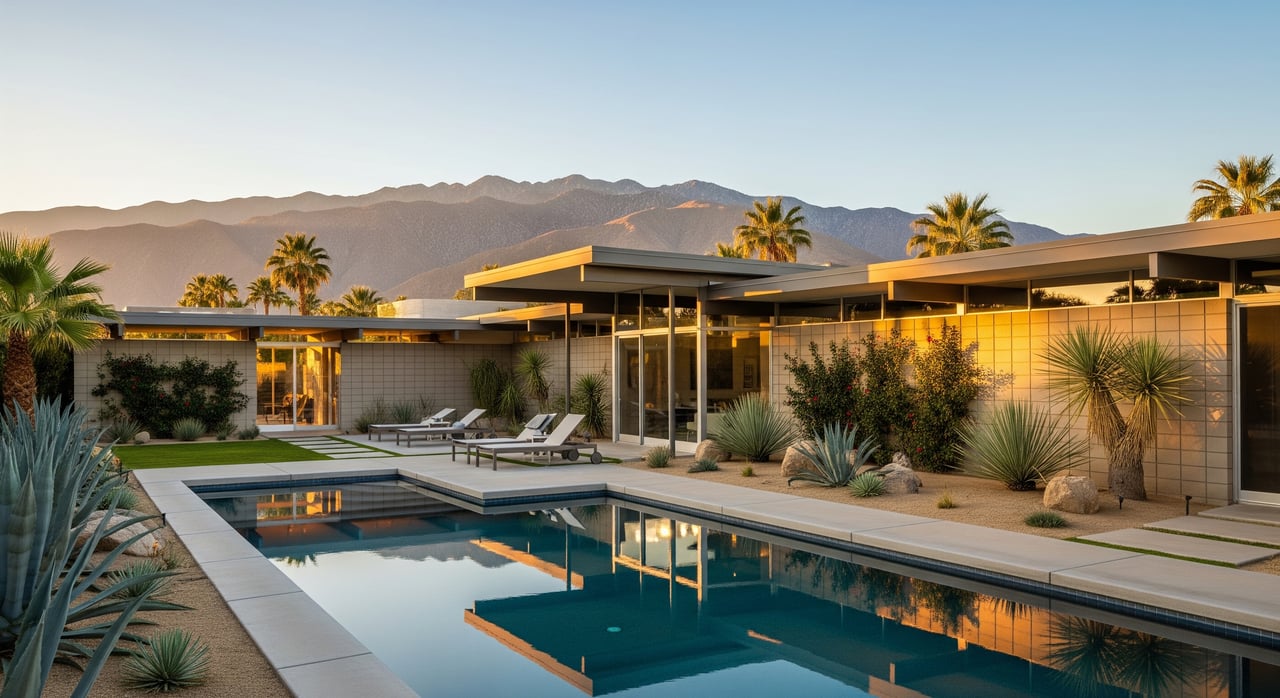
Love clean lines, clerestory windows, and poolside living? In Palm Springs, you can buy into entire neighborhoods built around midcentury modern design. If you are a design lover or shopping for a second home, it helps to know which areas match your style, budget, and daily routine. In this guide, you will compare key neighborhoods, typical home features, lifestyle vibes, and broad price bands so you can narrow your search with confidence. Let’s dive in.
Why Palm Springs stands out
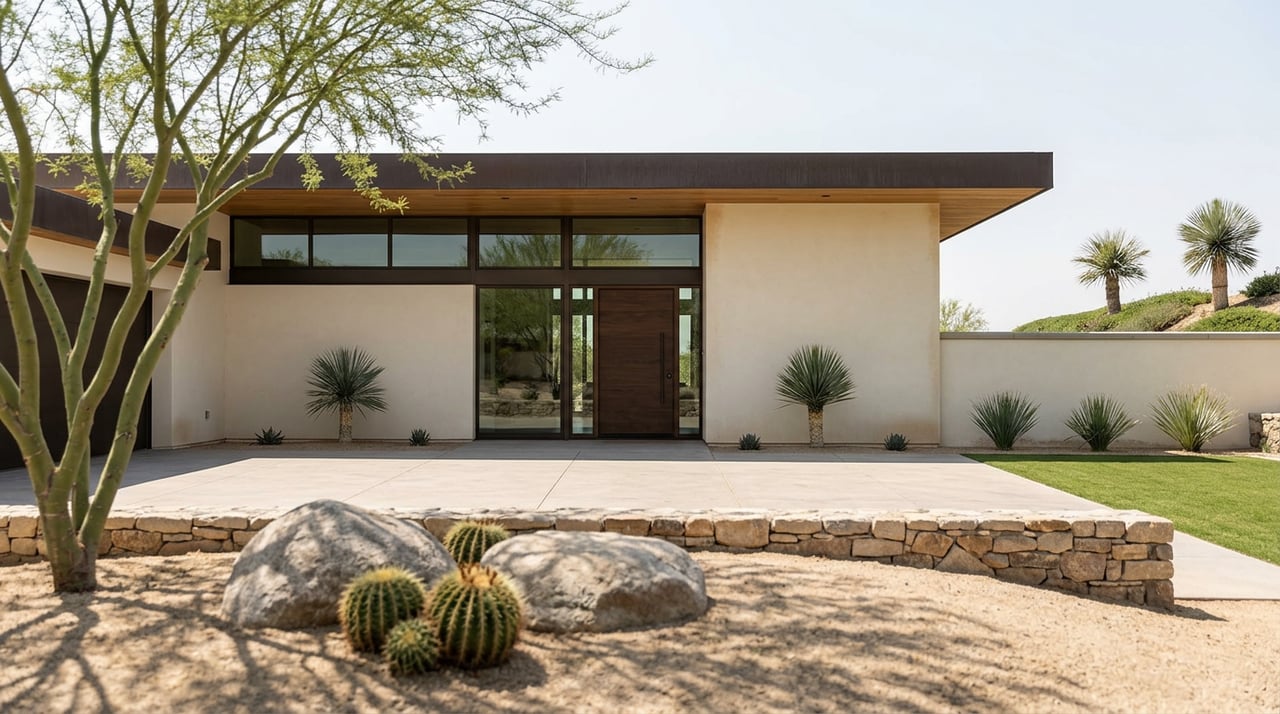
Palm Springs grew rapidly in the 1940s to 1960s as a winter resort and celebrity escape, which shaped a now-iconic midcentury landscape. Architects like Albert Frey, E. Stewart Williams, William Krisel, Donald Wexler, John Lautner, Richard Neutra, and Hugh Kaptur experimented with glass walls, flat or low-pitched roofs, and indoor-outdoor floor plans that suit the desert climate.
You can experience this heritage through events and resources that celebrate preservation and good design. The annual festival at Modernism Week offers home tours and talks that spotlight notable properties and neighborhoods. The Palm Springs Preservation Foundation shares archival research, house histories, and guidance for respectful restoration.
How neighborhoods differ
Palm Springs offers two broad experiences. Some areas concentrate original tract homes on smaller lots with repeating plans. Others feature larger, architect-designed estates on more generous parcels. Your choice comes down to privacy, lot size, and whether you want a one-of-a-kind statement home or a classic tract modern that you can personalize.
Condition varies widely. You will find homes that are largely original and ready for a systems refresh, and you will also see fully renovated properties with restored period details and new mechanicals. Most buyers balance authenticity with convenience, since upgrades to HVAC, electrical, roofing, and glazing are common in midcentury homes.
Lifestyle also matters. Proximity to downtown brings restaurants, galleries, and event energy, while hillside and estate pockets offer more privacy and dramatic views of the San Jacinto Mountains. Prices respond to all of these factors. Architect pedigree, renovation quality, lot size, and walkability tend to push values higher. Always check current comps before you bid, since the market can shift.
Neighborhood guide for midcentury lovers
Twin Palms
Twin Palms is often cited as a classic midcentury tract with a strong sense of community. You will see compact lots, single-story post-and-beam homes, and a high concentration of original details. It is a favorite among buyers who want approachable entry into restored midcentury living close to downtown.
- At a glance:
- Typical features: open plans, clerestory windows, carports, private pools, 1,000 to 1,800 square feet common.
- Price guide: renovated single-family homes often land in the mid-to-high six figures to low seven figures. Condos or small fixer units in the broader Palm Springs area can range under $500k to about $700k based on size and condition.
- Lifestyle: close to restaurants and Modernism Week tour hubs, active restoration scene, good value compared with estate areas.
Movie Colony (East and West)
The Movie Colony mixes tract midcentury homes with custom and architect-driven residences tied to Palm Springs’ historic celebrity era. Lots can be larger in Movie Colony West, and some homes feature distinctive design and strong mountain views.
- At a glance:
- Typical features: larger midcentury plans, generous pools and outdoor entertaining areas, select architect or celebrity houses.
- Price guide: mid to high seven figures for architect or celebrity homes, with some period properties in the high six figures to low seven figures depending on size and condition.
- Lifestyle: walkable to downtown in many spots, rich historic cachet, great for buyers who want authenticity and proximity to the social scene.
Vista Las Palmas
Vista Las Palmas is known for architect-designed estates from the 1950s and 1960s on larger lots. The streetscapes are visually striking, with dramatic glass walls, indoor-outdoor rooms, and refined materials.
- At a glance:
- Typical features: one-level estates, expansive pools, seamless indoor-outdoor living, thoughtful structural details and finishes.
- Price guide: generally high, with many estates in the low to multi-million range and top historic properties higher.
- Lifestyle: private and quiet but still close to downtown for dining and shopping.
Racquet Club and Racquet Club Estates
Once centered on resort and club life, this area blends midcentury vacation homes with custom modern designs and many remodels. Lots can be slightly larger than in the most compact tracts, and the neighborhood has a long social history.
- At a glance:
- Typical features: pool-oriented yards, single-story plans, easy indoor-outdoor flow.
- Price guide: wide range from mid six figures for smaller or fixer homes to seven figures for renovated or architect properties.
- Lifestyle: convenient to downtown and historic club culture, a mix of original and updated homes.
Deepwell and Tahquitz River Estates
Deepwell Estates and the nearby Tahquitz River area blend midcentury homes with hillside-influenced designs and mature landscaping. You will find both tract modern and individually designed residences.
- At a glance:
- Typical features: private pools, courtyards, mature palm trees and desert plantings.
- Price guide: often mid six to mid seven figures depending on lot and renovation level.
- Lifestyle: quieter and residential with good access to Indian Canyons trailheads and downtown.
Old Las Palmas
Old Las Palmas is historic and architecturally eclectic. Spanish Colonial Revival and Mediterranean homes line the streets, and there are also notable midcentury modern properties on larger parcels.
- At a glance:
- Typical features: mature landscaping, generous lots, a blend of architectural eras with select midcentury gems.
- Price guide: typically seven figures for prime properties, driven by lot size and historic appeal.
- Lifestyle: prestigious setting near cultural sites and downtown conveniences.
The Mesa and canyon pockets
The Mesa and nearby canyon neighborhoods sit at higher elevations with sloped lots and striking views. Modernist homes here often respond to topography, with site-specific designs and larger footprints.
- At a glance:
- Typical features: hillside siting, view-forward layouts, indoor-outdoor rooms oriented to the mountains.
- Price guide: varies widely, from mid-to-high six figures for more modest homes to low millions and higher for architect-driven properties.
- Lifestyle: scenic, more secluded feel with panoramic vistas.
South Palm Springs and Warm Sands
These residential pockets include many midcentury bungalows and tract homes. Historically they offered more approachable price points, and you will see ongoing renovation activity.
- At a glance:
- Typical features: smaller lots, classic single-story plans, private pools.
- Price guide: often more affordable within Palm Springs, with renovated homes frequently in the high six figures and fixers sometimes lower.
- Lifestyle: easy access to local parks and trails, a practical launchpad for enjoying the city.
What to expect in homes
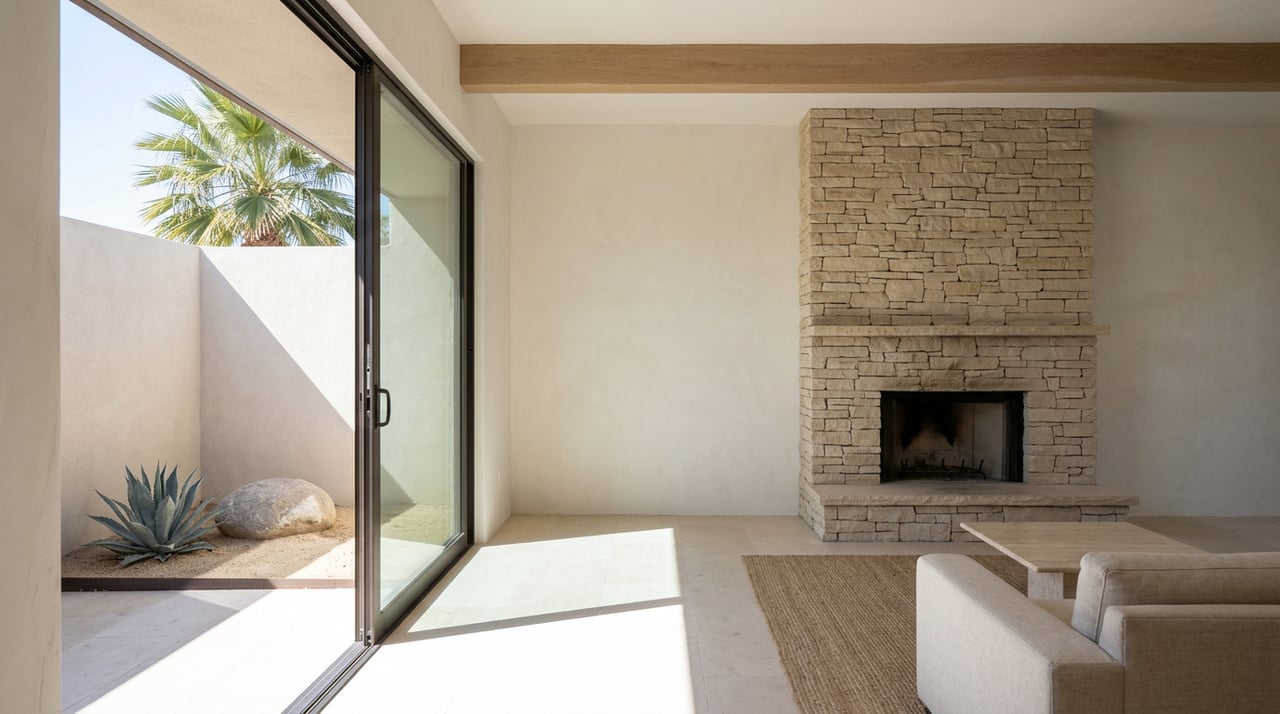
Midcentury homes in Palm Springs usually highlight the desert lifestyle. Open plans, floor-to-ceiling glass, clerestory windows, post-and-beam framing, and flat or low-pitched roofs are common. Most homes feature a courtyard or breezeway and place the pool at the center of daily life.
With older construction, plan for systems work. Electrical panels and wiring may need upgrades, HVAC equipment can be at or beyond lifespan, and roofs, foundations, and drainage benefit from modernizing. Original single-pane glazing is typical and replacing it while preserving slim sightlines can be a material cost.
Common upgrade items to budget for:
- HVAC replacement or servicing
- Electrical panel and wiring updates
- Roofing repairs or replacement
- Plumbing and sewer line evaluation
- Pool equipment and surface refurbishment
- Insulation and glazing improvements that respect original proportions
Buyer checklist
Use this quick list to keep your search focused:
- Clarify lifestyle goals first: walkable to downtown, private views, or an estate setting.
- Decide your threshold for renovations versus turnkey condition.
- Verify renovation scope and permitting needs with the City of Palm Springs before you bid.
- Ask for documentation on any historic designation or architect attribution.
- Analyze operating costs: property taxes, homeowner insurance, pool care, and landscaping water use.
- If you plan to rent the home, review short-term rental rules and HOA requirements where applicable.
- Confirm financing terms if this will be a second home or investment.
Palm Springs vs nearby desert cities
If you are comparing the wider Coachella Valley, keep these contrasts in mind:
- Rancho Mirage: more gated communities and large estates, anchored by resort culture like Sunnylands. Tract midcentury clusters are less concentrated. Good fit if you want larger private estates and golf communities rather than dense midcentury streets.
- Palm Desert, La Quinta, Indian Wells: planned communities, newer development, golf and resort subdivisions, and hilltop contemporary homes. Midcentury examples exist but are less concentrated than Palm Springs. Choose these if you want newer amenities and gated living.
- Cathedral City, Desert Hot Springs: generally more affordable entry points and a mixed housing stock. Some midcentury-era pockets exist without the same modernist density or celebrity associations as central Palm Springs.
Where to see midcentury now
To get a feel for the architecture before you buy, start with curated experiences. Explore tours and talks during Modernism Week. For research into architects, house histories, and restoration tips, browse the Palm Springs Preservation Foundation. To follow design stories and neighborhood features, scan articles at Palm Springs Life and local coverage from The Desert Sun.
Let’s find your fit
Choosing between Twin Palms, Vista Las Palmas, the Movie Colony, or a hillside perch depends on how you want to live and how hands-on you want to be with renovations. If you want proven local guidance, access to on-the-ground comps, and support that can extend into leasing, short-term rental navigation, and property management, our team is here to help. Start a conversation with Paige Maccio to map the right neighborhood and the right midcentury home for your goals.
FAQs
Which Palm Springs neighborhoods have the most original tract midcentury homes?
- Twin Palms and parts of Racquet Club are often cited, with many period homes also found in the Movie Colony area.
Where can I find architect-designed midcentury estates in Palm Springs?
- Vista Las Palmas is a leading area, with select properties in the Movie Colony and Mesa or canyon pockets offering site-specific architect designs.
Are midcentury homes in Palm Springs a good value today?
- It depends on your goals, since restored tract homes see steady demand while unique architect estates carry premiums, so check current comps with a local expert.
What renovation pitfalls should I plan for with midcentury homes?
- Budget for HVAC, electrical, roofing, window and glazing work, plus potential pool and drainage upgrades, especially if the home remains largely original.
Are there special preservation rules for these homes?
- Some properties have historic designation that can add review steps, and the city’s permitting applies to alterations, so confirm status before you renovate.
How do price bands generally break down in Palm Springs?
- Condos and small fixer units often under $500k to about $700k, restored tract homes roughly $700k to $1.5M, and architect estates about $1.5M to $5M or more depending on uniqueness and lot.